Commercial real estate consistently delivers higher rental yields than residential property in Pakistan, but it also demands a different evaluation approach — what makes a great home doesn’t necessarily make a great retail investment. This guide covers the property types available, the factors that actually drive rental returns, and how to evaluate a commercial opportunity with a clear head rather than getting swept up in a mall’s marketing renderings.
Why Investors Choose Commercial Property
Commercial real estate in Pakistan typically delivers meaningfully higher rental yields than residential property — commercial investors generally target gross yields in the 6% to 15% range depending on location and property type, compared to residential yields that are typically lower. Commercial tenants — particularly pharmacies, grocery outlets, and established food chains — also tend to sign longer leases and maintain their premises well, since their business depends on it, which reduces both vacancy risk and maintenance burden compared to residential turnover.
The Main Types of Commercial Property
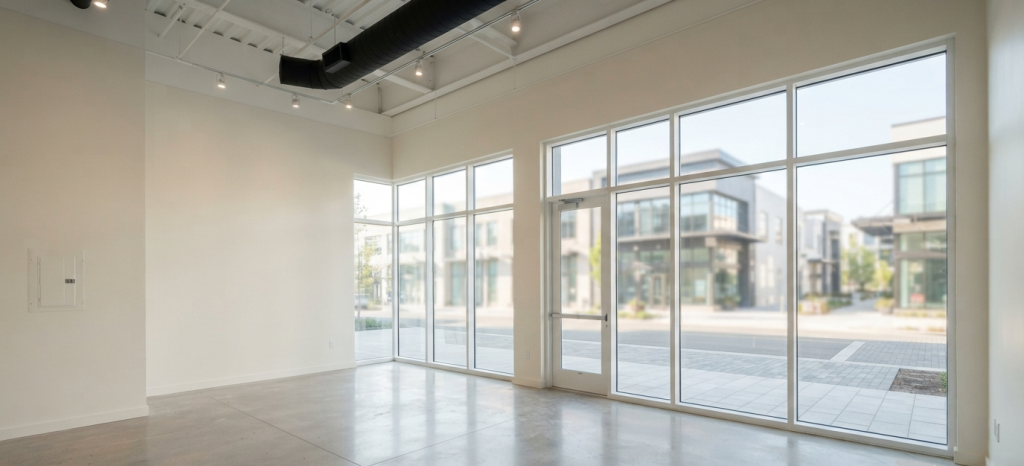
Retail Shops and Showrooms are where most rental income stories in Pakistani commercial real estate begin — small, individual units within a plaza, market, or mixed-use development, leased to retailers, salons, pharmacies, or food outlets. The single biggest variable determining their return is foot traffic; get that right and most of the rest follows.
Shopping Malls bundle multiple retail units under one roof, often with entertainment zones and food courts designed to draw sustained footfall, and can offer branded, higher-visibility tenant opportunities compared to a standalone shop.
Office Space serves corporate tenants and professional service businesses, with demand closely tied to a city’s overall economic and business growth trends. Corporate tenant demand outside of established business districts remains comparatively thin in many Pakistani cities, which is a meaningful factor to weigh against office investments in emerging areas.
Mixed-Use Developments combine retail, office, and residential components in a single project. When well-designed, each component reinforces demand for the others (residents shopping at ground-floor retail, for instance); when poorly planned, these projects can sit under-occupied for years, making project execution and developer track record especially important here.
The Factors That Actually Drive Commercial Rental Yield
Location and foot traffic matter more in commercial real estate than almost any other factor — a unit visible directly from a main road in a well-developed, high-traffic area will consistently outperform a similar unit tucked away in a less-visible location, even within the same broader development.
Tenant mix and lease structure — understanding what type of leases are typical for the property type (retail leases, for instance, are often structured differently than office leases) and what tenant categories the location realistically attracts helps set accurate return expectations from the outset.
Area growth trajectory — commercial value in fast-appreciating, actively developing localities tends to compound over time, both through rental growth and capital appreciation, more than in areas with limited surrounding development.
Occupancy history, where available — for an established plaza or mall, actual historical occupancy rates and tenant retention tell you far more about realistic future performance than projected renderings of a still-under-construction project.
How to Calculate Whether a Commercial Opportunity Makes Sense
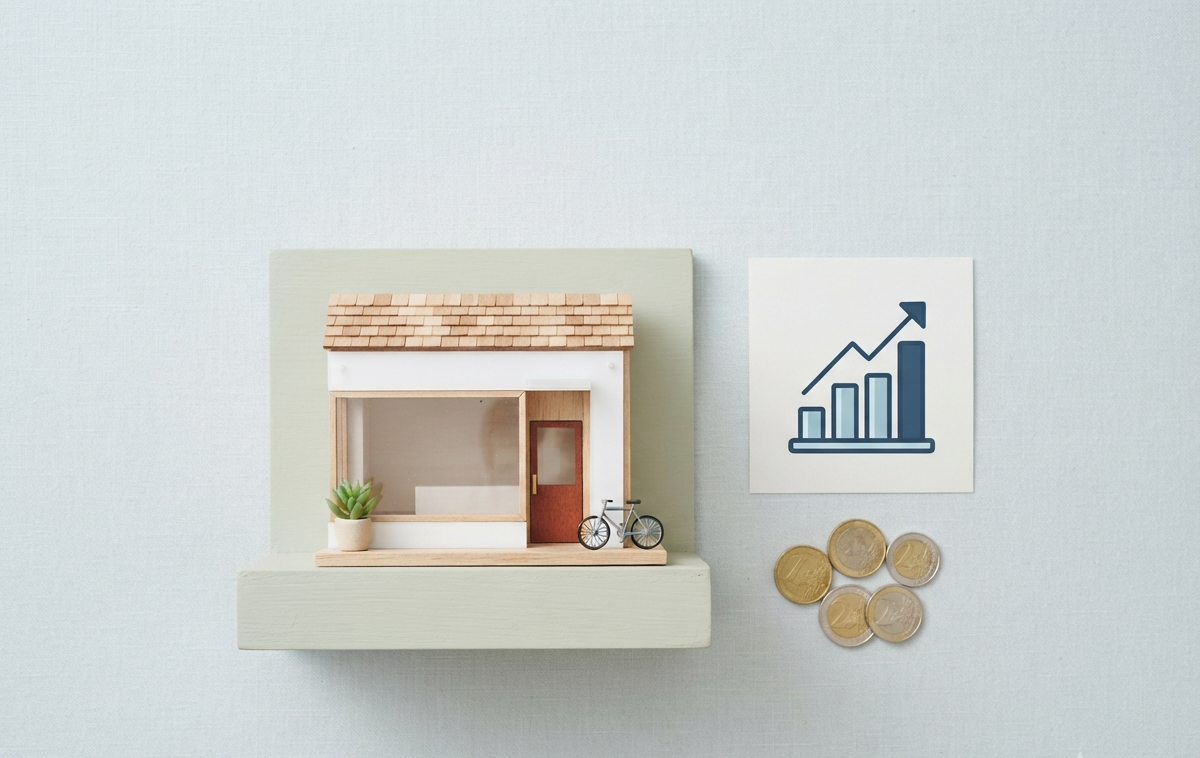
Gross rental yield is calculated as annual rental income divided by purchase price, multiplied by 100. As a general benchmark, yields above roughly 10% are considered strong for commercial property in many Pakistani markets, though this varies by city and specific location.
Net rental yield subtracts taxes, maintenance, management fees, and an allowance for vacancy from the gross figure — this is the number that tells you what you actually keep, and it’s the one worth focusing on rather than the more optimistic gross figure alone.
Cap rate (net operating income divided by property value) is another useful cross-check, particularly when comparing multiple commercial opportunities against each other rather than evaluating one in isolation.
Questions to Ask Before Investing in a Commercial Unit
What is the realistic, documented occupancy rate for comparable existing units in this development, not just projected figures? What lease terms are typical for this property type and location? Is the surrounding area’s commercial demand driven by genuine population and business growth, or primarily by marketing around planned future development? What track record does the developer have delivering and maintaining previous commercial projects? Is the underlying scheme or development itself formally approved by the relevant development authority?
A Different Investment Mindset Than Residential
Commercial property investment rewards patience and genuine due diligence — assessing realistic tenant demand, comparing yield calculations across options, and verifying a developer’s delivery track record — more than it rewards excitement about a striking rendering or a themed landmark concept. The properties that perform best over time are consistently the ones where location fundamentals and tenant demand were evaluated honestly before purchase, not assumed from marketing materials alone.
For details on available commercial units, projected rental positioning, and current project stages, GreenLand Estate & Builders can walk you through the specifics of current commercial listings.