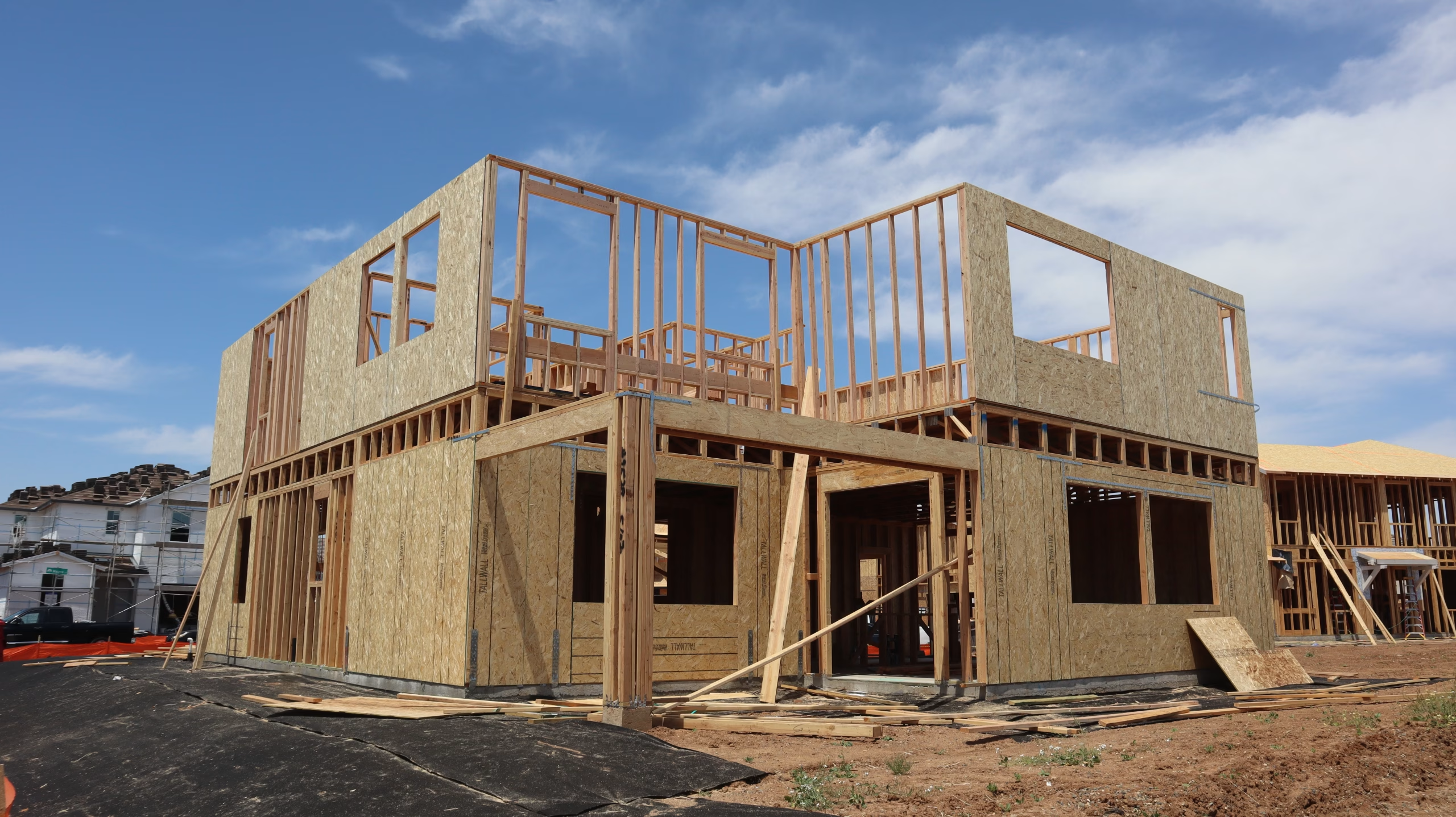
The real estate industry is changing as more homebuyers and investors become aware of the importance of sustainable living. Eco-friendly housing societies are becoming increasingly
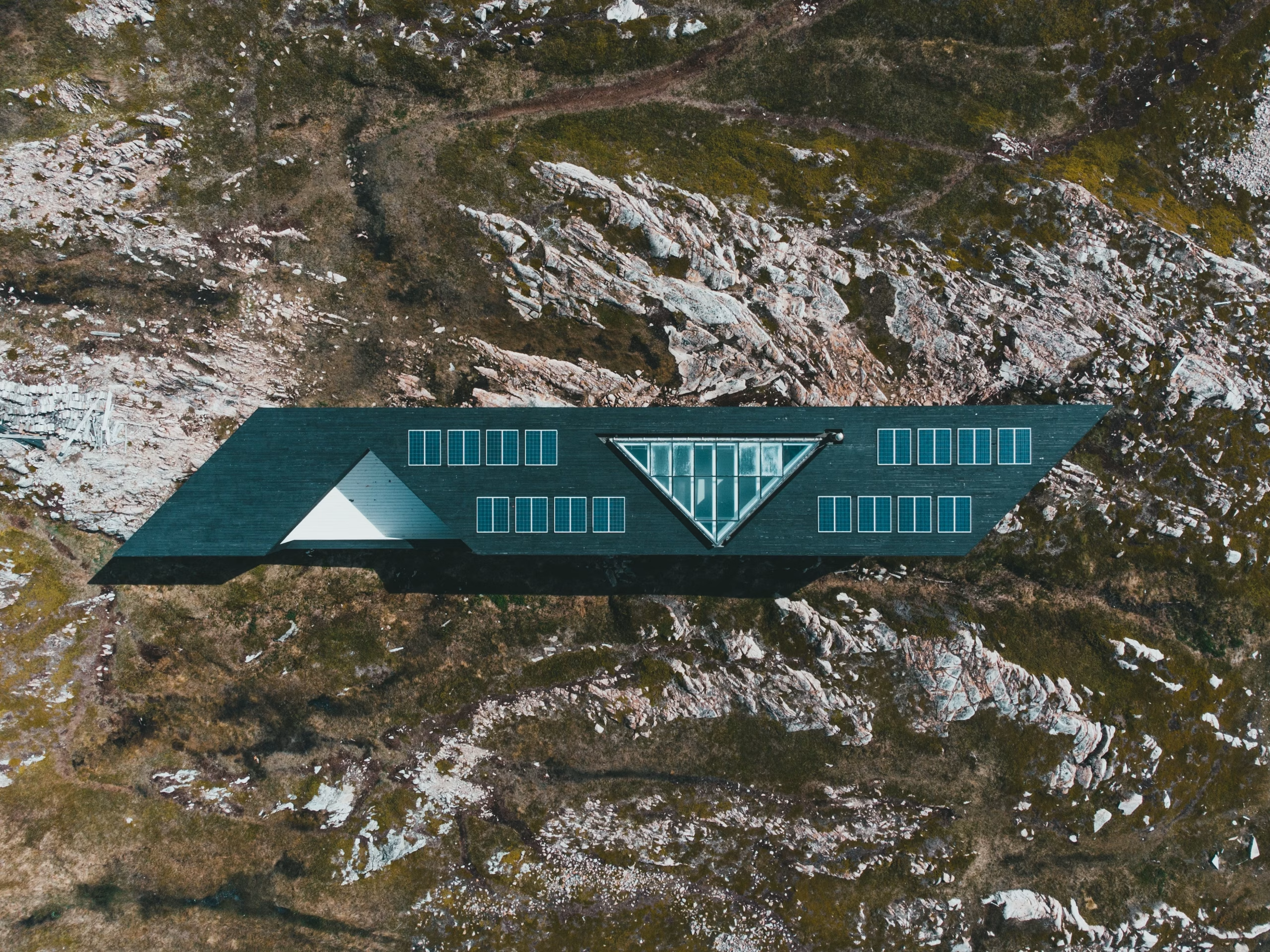
An Eco-friendly housing society is a residential community designed and developed with environmental sustainability in mind. These communities aim to reduce the negative impact of housing and construction on the environment by using smarter planning, energy-efficient systems, green spaces, and sustainable infrastructure. Features may include solar energy, energy-efficient street lighting, proper waste management, water conservation systems, parks, tree plantations, and environmentally responsible construction practices. The exact features can vary depending on the housing society and its development plan active because they focus on reducing environmental impact while providing healthier, more efficient, and comfortable living spaces. From green areas and energy-efficient homes to better waste management and water conservation, sustainable communities are shaping the future of real estate.
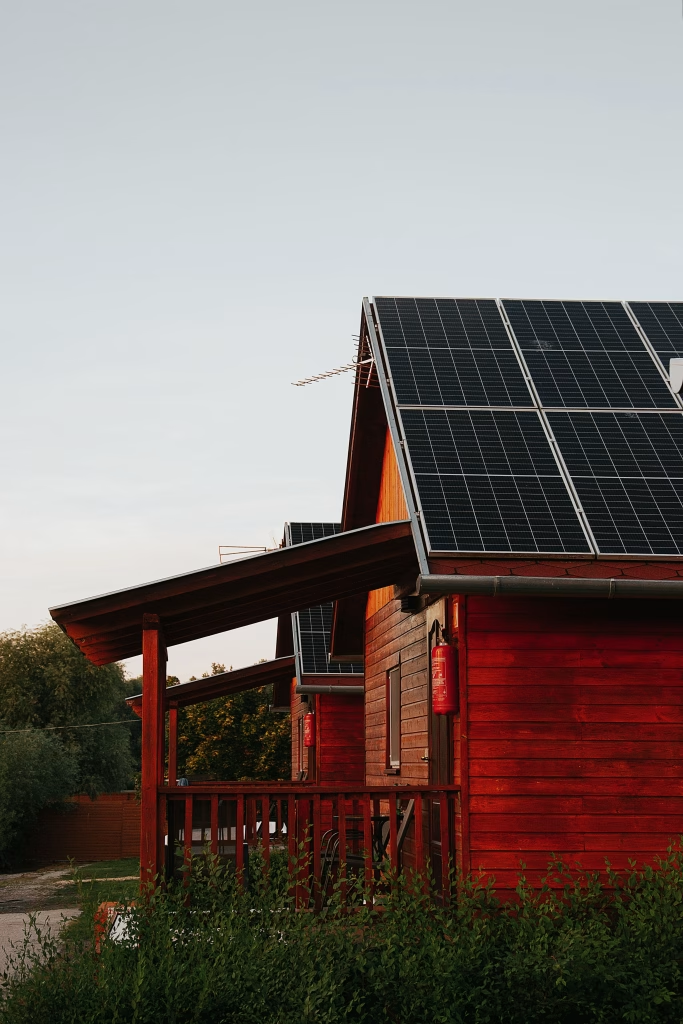
Sustainable living is becoming more important as cities continue to grow and natural resources face increasing pressure. Modern housing developments consume large amounts of electricity, water, and construction materials. Eco-friendly communities aim to use these resources more efficiently while creating a healthier environment for residents. For homeowners, sustainable living can also provide practical benefits. Energy-efficient buildings and renewable energy solutions may help reduce long-term utility costs, while green spaces can improve the overall living environment and make communities more attractive for families
One of the most important features of eco-friendly housing societies is energy efficiency. Modern communities can use energy-efficient lighting, better building designs, insulation, and smart energy systems to reduce unnecessary electricity consumption.
Parks, trees, gardens, and open spaces play an important role in eco-friendly housing societies. Green areas can improve the visual appeal of a community while providing recreational spaces for residents.
Well-planned green spaces can also contribute to a more comfortable living environment by supporting biodiversity and reducing the impact of excessive urban development. For families, access to parks and outdoor areas can make a housing society more attractive.
Sustainability is becoming an important factor for many modern homebuyers and property investors. Housing societies that offer better infrastructure, green spaces, energy-efficient features, and responsible development may become more attractive as buyer preferences change.
Eco-friendly features can also help differentiate a housing project in a competitive real estate market. However, investors should evaluate each project individually because sustainability features alone do not guarantee higher property prices or investment returns. Location, legal status, infrastructure, development progress, demand, and market conditions remain important factors when evaluating a real estate investment.
At Greenland Estate, we believe that the future of real estate is not only about building more properties but about creating better and more sustainable communities. As the demand for smarter and environmentally responsible living continues to grow, eco-friendly housing societies are likely to play an increasingly important role in the future of real estate.